
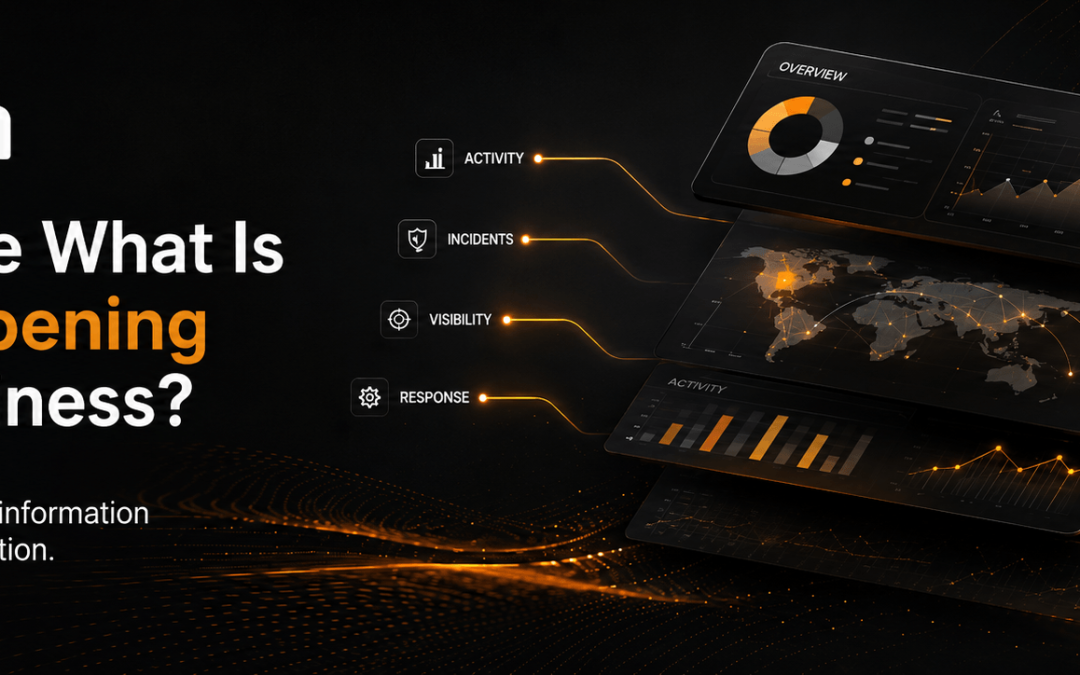
Management cannot act on a risk or opportunity it cannot see. Useful business intelligence turns daily operational activity into information that supports attention and action.
Problems are often visible too late
A review is missed, a task becomes overdue, a lead is not contacted, a complaint escalates or a team member becomes overloaded. These events may appear sudden, but warning signs often existed earlier. They were simply not visible in a form management could use.
Leaders frequently receive information through meetings, informal updates and manually prepared spreadsheets. By the time the full picture is assembled, the situation may already require urgent intervention.
What management needs to see
Useful operational visibility includes client activity, outstanding reviews, workflow status, tasks and deadlines, communication activity, team workloads, sales opportunities, complaints, compliance exceptions and bottlenecks. The exact measures differ by organisation, but every measure should answer a management question or trigger an action.
A dashboard that no one uses is decoration. A report that identifies a problem but does not allocate responsibility is incomplete. Intelligence becomes valuable when it helps someone decide what to address, who should act and by when.
Capture once, use many times
The best management information is created from normal operational activity rather than a separate reporting exercise. When staff record the client, status, owner, deadline and outcome as they work, the same information can support service, audit trails, workload management and reporting.
pfireStorm already captures valuable information through client records, custom fields, Groups, documents, communications, tasks, workflows and reviews. With consistent configuration and disciplined use, this information can support tailored searches and stronger oversight.
Move towards earlier intervention
The pfireStorm Evolution vision extends this towards richer business intelligence and AI-assisted insight. The objective is to help management identify patterns, risks and priorities earlier. For example, a pattern of overdue work may indicate a capacity issue, an unclear process or missing information—not merely poor performance by an individual.
Intelligence should therefore support inquiry rather than automatic judgment. Data provides a signal; management still needs to understand the context and decide the appropriate response.
Build a management rhythm
Define a small set of operational questions to review weekly and monthly. Assign responsibility for data quality, investigate exceptions and record corrective actions. Over time, this creates a management rhythm based on evidence rather than anecdote.
Visibility is not about watching people. It is about ensuring that the organisation can support them, protect clients and act before small problems become large ones.
Contact Us